
Forget Going Viral - Why Community Beats Reach on Social Media in 2026
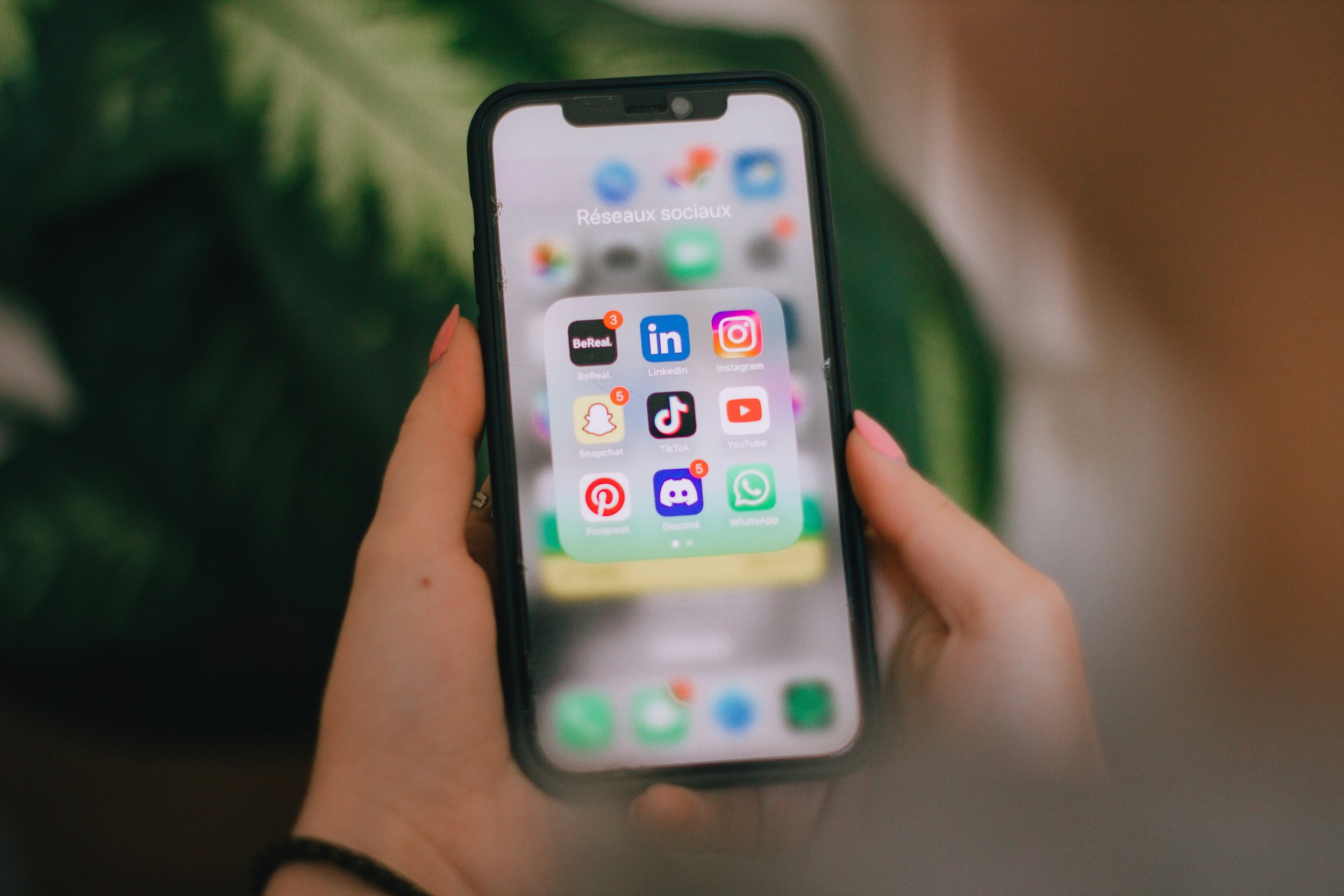
Picture a local café posting whatever's trending that week - a dance, a sound, a meme format - because someone said “you need to be on TikTok.” A few posts get decent views. Most get nothing. Nobody new actually walks through the door. That's not a failed social media strategy. That's what chasing virality usually looks like from the inside.
Why this actually matters
Here's something worth knowing before you spend another evening trying to “go viral”: Sprout Social's own research found that a third of consumers actually think it's embarrassing when brands jump on viral trends, and over a quarter think it's only worth doing within 24-48 hours of a trend appearing - which is faster than most small businesses can realistically move. What consumers say they actually value from brands are two much simpler things: authenticity and relatability.
That's not just a nice sentiment - it's backed by a real platform shift too. LocaliQ's own 2026 small business marketing data found small business TikTok use actually dropped this year, from 34% down to 22% - while Facebook (now over 90%) and Instagram (74%) both grew. Businesses are quietly moving away from the platforms built for chasing viral moments, toward the ones better suited to steady, real relationships with actual customers.
And here's the sharper edge to that: while you're spending an evening trying to nail a trending sound, a competitor down the road might be quietly building an actual following by doing nothing cleverer than replying to their comments and being genuinely themselves. That's a much harder thing to catch up on than a missed trend.
Why does this suit a small business better than a big one?
Here's the bit that's genuinely good news, not just a consolation prize: a wonky, slightly-off-centre photo of today's bake, captioned by the person who actually made it, is worth more on social media right now than most big brands' entire content budget can buy. Big brands have to route “authentic” through layers of approval, brand guidelines, and legal sign-off before it goes anywhere near a post - by the time it's live, most of the actual authenticity has been signed out of it. A small local business skips all of that by default. Chasing virality plays to a big brand's strengths (production budget, reach, speed). Building a real community plays to a small business's strengths instead - and that's exactly the trade worth making.
Doesn't “engagement” just mean likes and comments?
Not quite, and it's worth being plain about this: engagement just means someone doing anything with your post beyond scrolling past it - a comment, a share, a saved post, a reply to your story. A community, in this context, isn't a follower count - it's a smaller group of people who actually interact with you regularly, the kind who'll comment on a post, tag a friend, or mention you to someone in real life. Think of it like passing trade versus regulars: a thousand people glancing at your shop window as they walk past aren't worth as much as a hundred who actually come in, say hello, and keep coming back.
A real example, not a hypothetical
Here's what this actually looks like when it works. Balboni's Donut Shop, a small US bakery, didn't do anything clever or expensive to build its following. When customers tagged the shop in their own Instagram Stories - a photo of a donut box, a quick shoutout - the shop simply reposted them and said thank you. That's the whole tactic. No trend-chasing, no ad spend, no production budget. The shop now has 11.4k Instagram followers, built almost entirely from customers who wanted to be part of the story, rather than an audience chased down with viral content.
It's not just a food-and-drink thing, either, and it's happening closer to home too. A growing number of UK builders, electricians, and plumbers are building real audiences the same way - posting unpolished footage of the actual job, what went wrong and how they fixed it, no agency gloss. That rawness is precisely what homeowners say they trust - proof this isn't just a retail or hospitality tactic, it works just as well for trades and professional services in North Hampshire.
Both stories point at the same thing: it's genuinely about being the real business behind the account, not about being clever enough to go viral - and it's an approach any small local business could start this week, for free, whatever sector it's in.
If you'd rather have this built and run properly on your behalf, see my Social Media services for how I approach it.

Diagram: chasing virality gets reach without relationship; building community, the way Balboni's Donut Shop did, compounds instead.
What should you actually post?
It doesn't need to be complicated, and it doesn't need to be different every week. Four things, on rotation, cover most small businesses:
The real, slightly unpolished stuff. Today's bake, the van loaded up for a job, the shop before opening. Not a “brand shoot” - just what's actually happening. This is what makes a small business feel like a small business, not a mini version of a big one.
Customer content, reposted. If someone tags you, repost it and say thank you - genuinely, not with a generic “love this!” This is the entire Balboni's tactic above, and it costs nothing but a minute of your time.
Real questions, answered properly. Whatever people ask you in person or in your inbox - “how often should I service my boiler,” “what's the best way to store this” - that's a post. This is exactly what's working for the UK trade creators above, just posted rather than only said out loud on the job.
The genuinely local stuff. An event down the road, something specific to your town, a shoutout to another local business. This is the one a national competitor genuinely can't compete with, whatever their budget.
Rotate through those four and you'll rarely be short of something worth posting - and every one of them is closer to “community” than “virality” by design.
Right, where do I actually start?
Two things, this week, before anything else:
Post 2-3 times, using the framework above, and actually reply to every comment or tag you get within a day or two. That's the whole starting point - not a content calendar, not a rebrand, just consistency and genuinely showing up in the replies. That café from the start of this piece doesn't need a cleverer trend - it needs exactly this, instead.
Then look back at your last ten posts and be honest about how many were genuinely about your business, your customers, or your area - versus generic content or a trend that had nothing to do with you. If it's mostly the latter, that's not a content problem, it's a direction problem, and it's exactly what a real strategy (see my piece on why every small business needs one) is meant to sort out properly.
Key takeaways
A third of consumers find brands jumping on viral trends embarrassing, not impressive - authenticity and relatability win instead.
Small business TikTok use actually fell in 2026, while Facebook and Instagram grew - the shift toward steady, relationship-led platforms is real, not just a theory.
Being small is a genuine advantage here, not a limitation - real authenticity is hard for big brands to fake convincingly.
Engagement beats reach: a smaller, genuinely responsive audience outperforms a large, passive one.
Four things cover most of what's worth posting: the real unpolished stuff, reposted customer content, real questions answered properly, and the genuinely local things a national competitor can't touch.
Frequently asked questions
Do I need to post every day to build a community on social media?
No - consistency matters more than frequency. A handful of genuine posts a week that you actually respond to outperforms daily posting with no engagement behind it.
Which platform should I actually focus on?
Whichever one your actual customers use, not the one that feels most exciting. For most North Hampshire small businesses, that's increasingly Facebook or Instagram rather than TikTok - though it depends entirely on who you're trying to reach.
Is it too late to fix a social media presence that's been chasing trends for years?
No - a history of trend-chasing doesn't rule out fixing this. It's less about erasing the past and more about being consistently more authentic and responsive from here on.
Not sure whether your current social media is actually building a community or just chasing views? Send me a link to your business's social profiles via my contact page (link to /contact) and I'll give you an honest read on what's working - no charge, no obligation. If there's a clearer direction to be had, I'll talk you through what that looks like - you can decide from there whether you want help with it. Not ready for that yet? Just want to ask a question - get in touch any time, no pressure.