
Why Your Google Rankings Have Been Jumping Around Lately
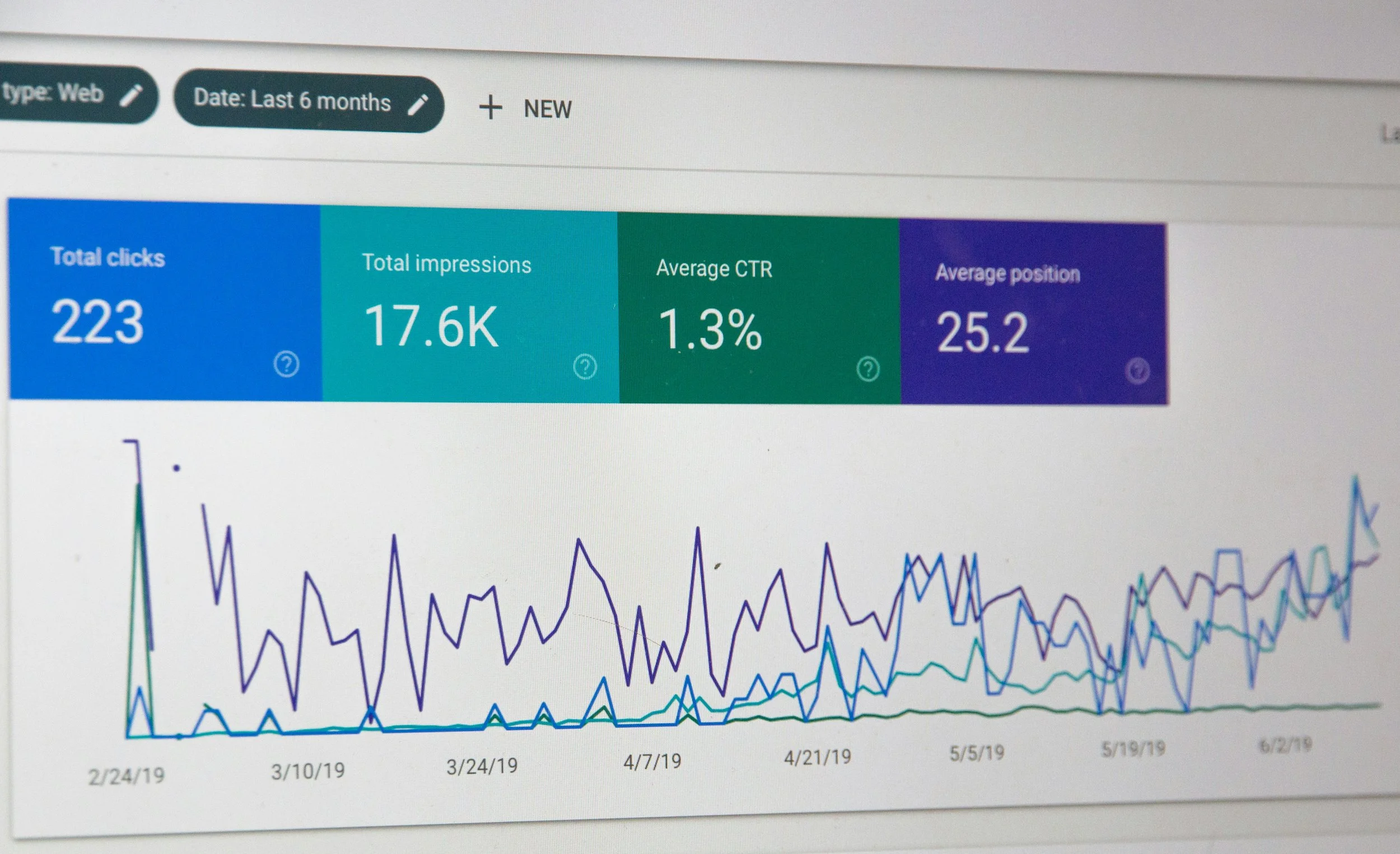
You didn't change your website. You didn't do anything differently. And yet your ranking's moved - maybe up, maybe down - and there's no obvious reason why. If that's happened to you in the last few weeks, you're not imagining it, and you haven't necessarily done anything wrong.
Why this actually matters
Google confirmed a proper “spam update” ran from 18 to 21 August 2026, and independent trackers reported rankings continuing to shift for well over a week after it officially finished. Think of a spam update like Google doing a stock-take on a busy high street - not to punish honest shopkeepers, but to spot the market stalls that snuck in without paying for a pitch: sites using cloaked or hidden pages, mass-produced AI content stuffed with keywords and no real substance, or paid link schemes designed to fake credibility. If your business is a genuine, honestly-run local shop, you're not really who this is aimed at - but when Google does a big stock-take, some of the general foot traffic patterns shift for everyone nearby while it settles, honest businesses included.
At the same time, something bigger has been changing the shape of the page itself: Google's AI Mode - the fuller, written-answer version of AI Overviews - is now appearing by default for more searches, and when it does, it pushes the traditional list of results further down the page. Picture the top of a noticeboard now having a big handwritten summary pinned across it, with the usual row of flyers still there, just lower down. Nothing about your flyer changed - there's just more above it than there used to be.
Why does this matter more for a local business specifically?
Here's the bit that's easy to miss if you only think of this as “a Google update”: for a local business, a lot of your searches are fast decision moments, not slow research. Someone's boiler has broken and they search “emergency plumber Basingstoke” wanting an answer in the next thirty seconds, not a considered browse through ten websites. If AI Mode answers that search directly with a synthesised recommendation, whoever gets named in that answer has effectively already won - the searcher may never scroll down to the traditional list at all.
That's a genuine problem specifically for smaller, local businesses. AI answer engines lean on what's already been said about a business elsewhere - reviews, mentions, citations - and a large, well-known brand simply has more of that raw material for the AI to draw on, even if a smaller local business would actually do a better job, be closer, or be available sooner. Being pushed below an AI-generated answer costs a big recognisable chain very little, since people often search for it by name anyway. It costs a local business searchable only by “near me” terms a great deal more, because that's often the only way anyone finds them in the first place.
Check this yourself, for free, right now
Google just finished rolling out a brand new report, worldwide, specifically for this. As of 31 August 2026, every website now has access to a “Search Generative AI performance report” inside Google Search Console (Google's own free tool for checking how your site shows up in search) - it's completely free, and it shows you, for the first time, whether your pages are appearing inside AI Overviews and AI Mode specifically, separately from your normal search results. It doesn't show clicks yet, just how often you're appearing - but that's still more than anyone had a month ago. Before this, you were guessing whether AI answers were showing your business at all. Now you can actually look. (Alongside the report, Google also added a toggle letting a site opt out of AI features entirely - not something most local businesses would want, since it's more visibility, not less, but worth knowing it exists.)

Diagram: before AI Mode, a clear shot at the click; now, a longer way to get there - the listing hasn't moved, there's just more above it.
Two things worth doing with it, and neither costs anything:
Open Search Console (or set it up if you haven't - it's free, and worth sorting first if you don't have it) and look at that report. See whether your pages are appearing inside AI Overviews and AI Mode, and for which searches.
Don't panic-change anything based on a single week of ranking movement. Google's own guidance is that these updates settle over time, and reacting to short-term noise with a big rewrite can do more harm than the update itself. Give it a few weeks and look at the trend, not the daily wobble.
If your visibility genuinely has dropped and stayed down after a few weeks, that's worth a proper look - not at your rankings in isolation, but at whether the fundamentals (the kind of thing I cover in my piece on AI search visibility) are solid to begin with. If you'd rather have someone check this for you and explain what it actually means for your business, see my SEO services for how I approach it.
Key takeaways
Google ran a confirmed spam update from 18-21 August 2026, and ranking volatility continued for over a week afterward - if your position moved recently, this is very likely why.
AI Mode is now appearing by default for more searches, pushing traditional results further down the page - this affects visibility broadly, not just your specific site.
This matters more for a local business than a big brand - AI answers lean on existing reviews and mentions, which large chains simply have more of, even when a local business would genuinely serve the customer better.
A genuinely new, free tool now exists to check this yourself: Search Console's AI performance report, rolled out worldwide as of 31 August 2026.
Short-term ranking wobbles after an update aren't usually worth reacting to - give it a few weeks before assuming something's wrong.
Frequently asked questions
Did I do something wrong if my rankings dropped recently?
Not necessarily - widespread ranking movement after a confirmed update usually reflects Google adjusting broadly, not a penalty aimed at your specific site.
Does opting out of AI Overviews hurt my normal Google ranking?
No - Google has confirmed the AI opt-out control only affects whether your content appears in AI features specifically, not your standard search rankings.
How long should I wait before assuming something's actually wrong?
There's no fixed timeline, but Google's own guidance is that these updates settle over a period of weeks, not days. A single bad week isn't worth reacting to - a drop that's still there and shows no sign of recovering after a genuine wait is the point worth investigating properly.
Not sure whether your business is actually showing up in Google's AI Overviews or AI Mode right now? Send me your website via my contact page (link to /contact) and I'll check the new Search Console data for you and tell you honestly what it shows - no charge, no obligation. If there's something worth fixing, I'll talk you through what that looks like - you can decide from there whether you want help with it. Not ready for that yet? Just want to ask a question - get in touch any time, no pressure.